Vollara Air Purification and RCI Cell Technology Guide
For beginners researching indoor air-quality technology, Vollara is a name associated with air purification systems that use technologies such as Radiant Catalytic Ionization (RCI). Understanding how these systems work, what an RCI cell does, and how replacement components differ can make maintenance easier. Unlike conventional filters that physically capture particles, RCI-based equipment uses ultraviolet light and catalytic materials as part of an active air-treatment process.
What Is Vollara Technology?
Vollara systems are associated with air and surface purification technology, including equipment based on RCI principles. RCI combines ultraviolet energy with a catalytic surface to support the generation of reactive species that can interact with certain airborne contaminants.
For beginners, it is important to understand the difference between filtration and air treatment. A mechanical filter captures particles as air moves through the filter. RCI-based equipment works through an active treatment process rather than simply collecting particles.
This distinction does not necessarily mean that one technology should replace the other. Depending on the application, mechanical filtration, ventilation, source control, and air-treatment technologies can serve complementary roles.
How RCI Technology Works
Understanding the Basic Process
Radiant Catalytic Ionization uses ultraviolet light and catalytic materials to support a photocatalytic reaction. When the UV energy interacts with the catalytic surface, reactive compounds can be generated.
These reactive species may interact with certain airborne and surface contaminants. However, actual performance depends on several factors, including airflow, humidity, contaminant concentration, equipment design, room size, and operating conditions.
For this reason, laboratory findings should not automatically be interpreted as identical to results in every real-world environment.
What Is an RCI Cell?
An RCI cell is a replaceable component used in certain air-treatment equipment. It generally contains an ultraviolet light source and catalytic material that support the RCI process.
Because the UV component has a limited operating life, the cell may eventually require replacement. The exact replacement interval depends on the equipment model, operating conditions, and manufacturer's maintenance recommendations.
An RCI cell should therefore be viewed as an important maintenance component rather than a universal accessory.
Benefits of RCI-Based Air Treatment
One of the main characteristics of RCI-based equipment is that it approaches air treatment differently from conventional particle filters. Filters physically capture particles, while RCI technology is designed to create reactive species that can interact with certain contaminants.
This can make active air-treatment technology useful as part of a broader indoor-air-quality strategy. However, its effectiveness depends on the specific application and should not be assumed to be identical for every pollutant.
RCI technology is also discussed in relation to odor and volatile organic compound management. Photocatalytic processes can interact with certain chemical compounds, but results vary depending on the substance, concentration, airflow, humidity, and equipment configuration.
Another benefit is flexibility. RCI-based equipment can be incorporated into different types of air-treatment systems, including portable and duct-related equipment.
Understanding RCI Cell Replacements
Selecting the correct replacement cell is an important part of maintaining air-treatment equipment. Replacement cells may appear similar but can differ in dimensions, electrical connections, UV specifications, catalytic materials, and ozone characteristics.
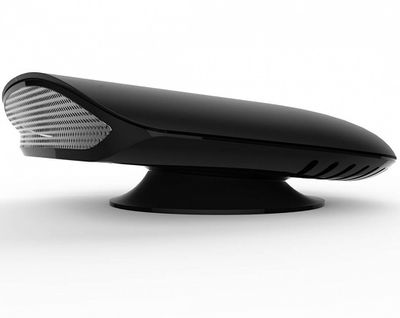
For example, BRCI CELL for Air treatment systems , RCI CELL for EcoQuest, and RCI CELL 9 for airscrubber plus may refer to different replacement applications. The name or appearance of a replacement part should not be considered sufficient proof of compatibility.
The safest approach is to identify the exact equipment model and compare the original component with the replacement specifications.
RCI Cell Comparison
Cell TypeGeneral ApplicationImportant CheckCommon Mistakes to Avoid
Choosing a Cell Only by Size
A common mistake is selecting a replacement cell because it appears to have the same dimensions as the original. Physical size is only one part of compatibility.
The connector, UV configuration, catalytic assembly, and electrical requirements may also differ. Before purchasing a replacement, users should compare all available specifications.
Assuming All RCI Cells Are Identical
RCI cells are available in different configurations. Some may be designed for particular equipment, while others can differ in ozone characteristics or electrical requirements.
Using a cell intended for another system may result in improper operation or incompatibility.
Ignoring the Equipment Manual
Online product descriptions can sometimes be incomplete. The equipment manual is usually a better source for identifying the appropriate replacement component and understanding maintenance requirements.
If the manual specifies a particular cell or replacement procedure, those instructions should be followed.
Replacing the Cell Without Checking the System
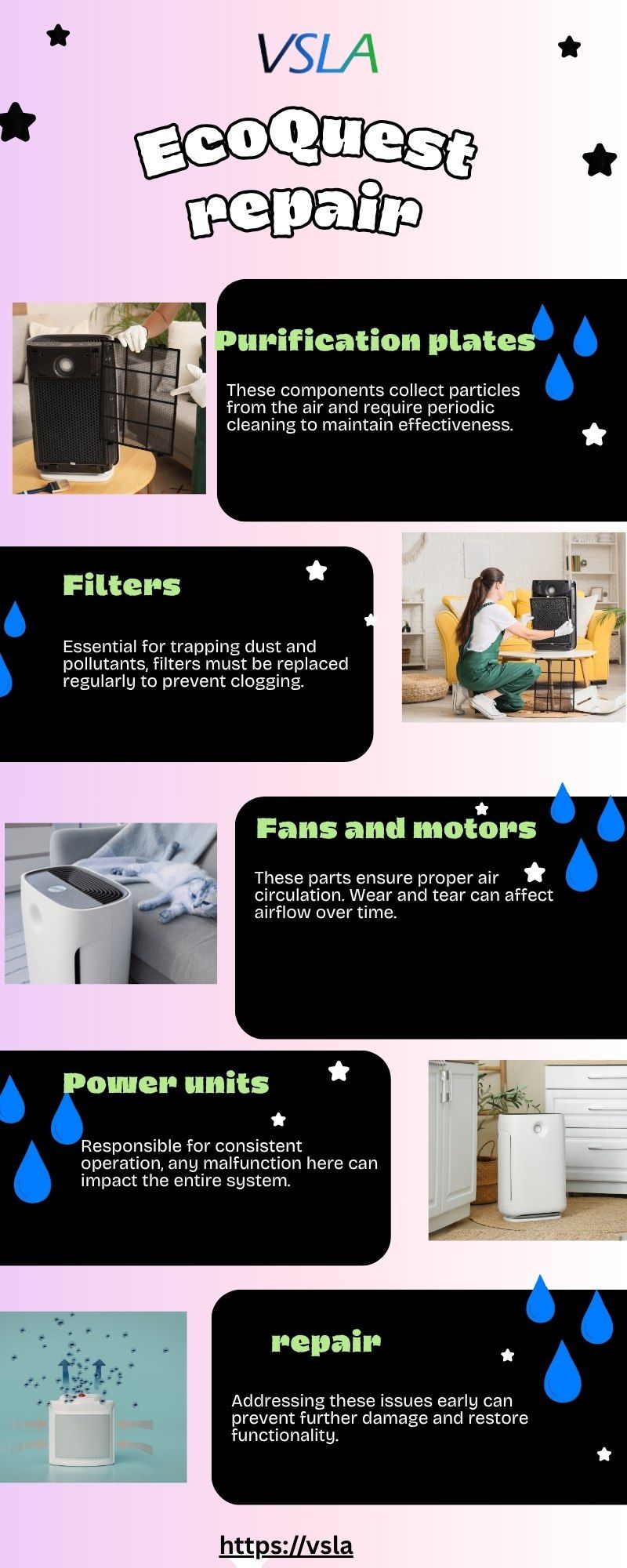
Reduced performance does not always mean that the RCI cell needs replacement. A dirty filter, restricted airflow, electrical issue, fan problem, or another maintenance requirement can produce similar symptoms.
Checking the complete system before replacing a component can help prevent unnecessary purchases.
Expert Tips for RCI Cell Maintenance
A simple maintenance routine can help users manage air-treatment equipment more effectively. Start by recording the equipment model number and the original cell information. This makes it easier to identify the correct replacement later.
Regular inspection is also useful. Users should check for visible dust accumulation, restricted airflow, damaged connections, or other issues according to the manufacturer's instructions.
For facilities operating multiple machines, maintaining individual equipment records is especially useful. A fleet maintenance record can include the model number, installation date, cell replacement date, and maintenance observations.
It is also important to understand whether the equipment requires an ozone-free configuration. Different cell designs may have different operating characteristics, so the correct configuration should be confirmed before installation.
Best Practices for Beginners
The best way to maintain RCI-based equipment is to treat each system as a specific model rather than assuming that all replacement components are interchangeable.
Before purchasing a replacement, identify the equipment model and original part number. Then compare dimensions, connector configuration, UV specifications, and any other technical requirements.
Users should also maintain conventional filters where applicable. RCI technology and mechanical filtration perform different functions, so maintaining both components can be important when a system is designed to use them together.
Good indoor-air quality also involves more than air purification. Ventilation, source control, humidity management, regular cleaning, and appropriate filtration can all contribute to a healthier indoor environment.
PAA About RCI Air Purification
What is an RCI cell?
An RCI cell is a component used in certain air-treatment systems. It generally combines ultraviolet light with catalytic materials to support a photocatalytic process.
Are RCI cells universal?
No. RCI cells can differ in size, electrical configuration, UV specifications, and other characteristics. Compatibility should always be confirmed using the equipment model and technical specifications.
How often should an RCI cell be replaced?
Replacement timing depends on the equipment and cell design. The manufacturer's maintenance instructions should be used to determine the appropriate replacement schedule.
Is an RCI cell the same as a HEPA filter?
No. A HEPA filter physically captures particles, while an RCI cell is part of an active air-treatment process involving UV light and catalytic materials.
What does an RCI Cell 9 mean?
The term generally identifies a particular cell size or configuration. However, the number alone does not establish compatibility with every air-treatment system.
Frequently Asked Questions
Can RCI technology replace mechanical filtration?
Not necessarily. RCI treatment and mechanical filtration operate differently. Some systems may use both technologies to address different aspects of indoor air quality.
What should I check before buying an RCI cell?
Check the equipment model, original part number, dimensions, connector, UV specifications, and any requirements concerning ozone generation.
Why does an RCI cell need replacement?
The UV component has a finite operating life. As it reaches the end of its useful service period, replacement may be necessary to maintain the intended operation of the equipment.
Can a dirty filter affect air-treatment equipment?
Yes. A dirty or restricted filter can reduce airflow and affect overall equipment operation. Filters should be maintained according to the applicable instructions.
Are all air purification technologies the same?
No. Mechanical filtration, activated carbon, UV treatment, ionization, and RCI-based technology use different mechanisms and may address different air-quality concerns.
How can I avoid buying the wrong replacement cell?
Use the exact equipment model and original component information. Compare the technical specifications rather than relying only on photographs, product names, or physical appearance.
Is RCI suitable for every indoor environment?
No single air-treatment method is automatically appropriate for every environment. Equipment selection should consider the space, occupants, ventilation, contaminants, operating conditions, and applicable safety requirements.
Air purification systems is associated with air-treatment systems that incorporate technologies such as RCI, which uses ultraviolet light and catalytic materials as part of an active purification process. Understanding the difference between air treatment and mechanical filtration helps beginners evaluate these systems more accurately.
The most important maintenance principle is to avoid assuming that RCI cells are universal replacement components. Checking the equipment model, original part number, cell specifications, and maintenance instructions can reduce compatibility problems.
Whether the equipment is used in a home, office, commercial facility, or fleet environment, proper identification and routine maintenance are essential. Air-treatment equipment should also be considered alongside ventilation, source control, filtration, and other indoor-air-quality practices.