A Practical Guide to Choosing the Right Air Purifier
The quality of the air we breathe indoors has become an important topic across homes, offices, and vehicles. People spend a significant portion of their day inside enclosed spaces, where dust, odors, moisture, and microscopic particles can accumulate. These indoor pollutants often come from everyday sources such as cooking, cleaning products, furniture materials, outdoor pollution entering through windows, or limited ventilation. Understanding how indoor air can be managed is a key step toward creating healthier and more comfortable living environments.
In recent years, Air purifiers have emerged as a commonly discussed solution within conversations about indoor environments. For readers new to the topic, it helps to first understand what indoor air challenges exist and how various filtration and circulation technologies aim to address them.
What Affects Indoor Air Quality
Indoor air quality is influenced by a mix of environmental and human factors. Some are easy to identify, while others remain invisible without specialized testing. Common contributors include:
- Dust and fine particulate matter from outdoor air or indoor activities
- Pet dander, pollen, and other allergens
- Odors from cooking, smoking, or household products
- Humidity levels that encourage mold or mildew growth
- Poor ventilation in tightly sealed buildings
When these elements combine, they can make indoor spaces feel stale or uncomfortable, even if they appear clean on the surface.
How Air Cleaning Technologies Work
Air cleaning devices are designed to circulate indoor air through one or more filtration stages. While designs vary, the basic principle remains the same: air is drawn in, treated or filtered, and then released back into the room. This continuous process helps reduce the concentration of unwanted particles over time.
Common technologies used in air-cleaning systems include:
- Mechanical filtration: Uses physical filters to trap particles of varying sizes.
- Activated carbon layers: Designed to absorb odors and certain gases.
- Electrostatic or ion-based methods: Use electrical charges to attract particles.
- Ultraviolet or oxidative processes: Target microorganisms under controlled conditions.
Each method has its strengths and limitations, which is why many modern units combine multiple approaches.
Choosing the Right Solution for Different Spaces
Not all indoor spaces have the same air quality needs. A small bedroom, a shared office, and a car interior each present different challenges. Understanding these differences can help users make informed decisions.
Personal and Small Living Spaces
Bedrooms, study rooms, or compact apartments often require quiet operation and efficient coverage for limited square footage. Discussions around the Best personal air purifiers usually focus on size, noise levels, and the ability to maintain consistent airflow without disrupting daily routines. These units are typically designed to be unobtrusive while providing steady filtration.
Vehicles and Enclosed Cabins
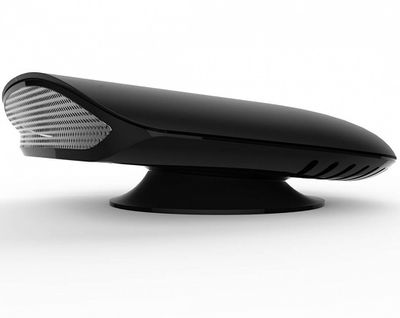
Cars are unique environments with limited air volume and frequent exposure to outdoor pollutants through traffic. When considering the Best car air purifiers, people often look at portability, power options, and ease of placement. Devices designed for vehicles aim to improve air circulation during commutes without interfering with driving comfort.
Offices and Shared Workspaces
Work environments require solutions that can handle longer operating hours and multiple occupants. Conversations about the Best office air purifiers often highlight coverage area, durability, and maintenance requirements. In shared spaces, balanced airflow and consistent performance are key considerations.
Benefits Beyond Cleanliness
While the primary goal of indoor air management is reducing airborne particles, many users notice additional benefits over time. Cleaner air can contribute to a more pleasant indoor atmosphere, reduced lingering odors, and improved overall comfort. In workplaces, better air circulation may support focus and productivity by creating a fresher environment. It is important to note that air-cleaning devices are not a substitute for good ventilation or regular cleaning. Instead, they are best viewed as one component of a broader approach to maintaining indoor spaces.
Maintenance and Responsible Use
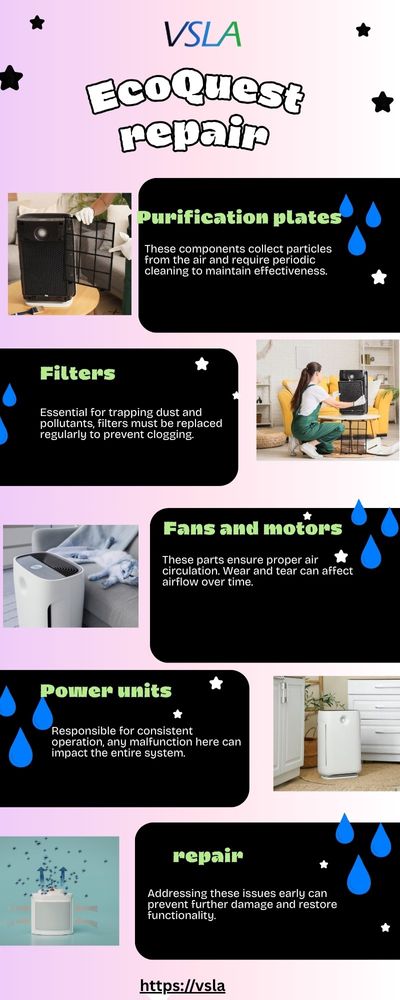
Like any household or office equipment, air-cleaning systems require proper care to function effectively. Filters need periodic replacement or cleaning, depending on the design. Neglecting maintenance can reduce efficiency and may even reintroduce trapped particles into the air. Responsible use also involves understanding the limitations of a device. No single unit can address every air quality issue, especially in large or poorly ventilated spaces. Combining sensible ventilation practices, humidity control, and regular upkeep leads to more consistent results.
Common Misconceptions
There are several misconceptions surrounding indoor air-cleaning solutions. One is the assumption that bigger or more powerful units are always better. In reality, matching the device to the room size and intended use is far more important. Another misconception is that once installed, no further attention is needed. Ongoing maintenance plays a crucial role in long-term performance.
Consumers also sometimes expect immediate results. While some improvements, such as odor reduction, may be noticeable quickly, reducing fine particles is often a gradual process that depends on continuous operation.
Looking at the Bigger Picture
Indoor air quality is influenced by building design, outdoor conditions, and daily habits. Air-cleaning devices fit into this larger picture as supportive tools rather than standalone solutions. Simple actions like opening windows when outdoor conditions allow, minimizing indoor pollutant sources, and keeping spaces clean all complement the use of filtration technologies. As awareness grows, discussions about Air cleaners increasingly focus on informed use rather than quick fixes. Understanding how these systems work and where they are most effective helps users set realistic expectations.
Creating healthier indoor environments starts with awareness and thoughtful choices. From understanding pollutant sources to selecting appropriate technologies for specific spaces, each step contributes to better air quality over time. When used responsibly and maintained properly, Air cleaning devicescan play a supportive role in managing indoor air alongside ventilation and cleanliness practices.