
Replacement Filter for Alpine 150 Guide
Understanding the Importance of a Replacement Filter for Alpine 150
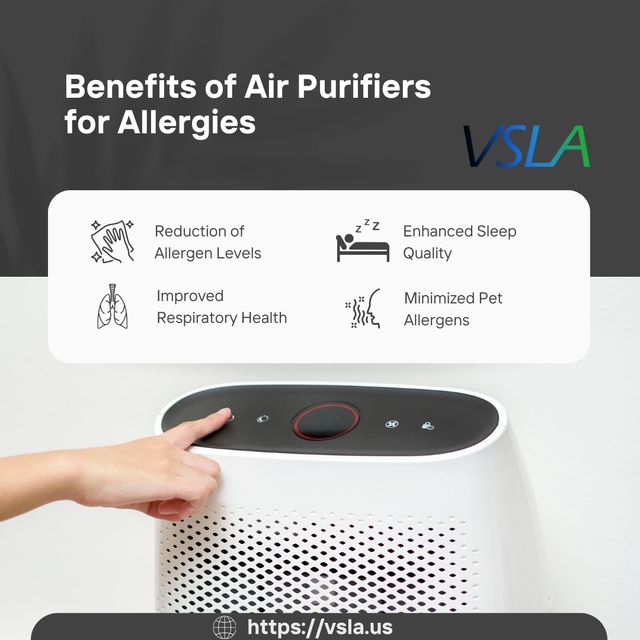
Indoor air quality plays a significant role in maintaining a healthy and comfortable environment. Many households and small offices rely on air purification systems to reduce airborne particles, odors, and contaminants. Over time, these systems require proper maintenance to continue functioning effectively. One essential part of that maintenance routine is selecting the right Replacement filter for Alpine 150 to ensure consistent performance and air quality.
Air purifiers are designed to capture dust, allergens, pet dander, and other microscopic particles. However, filters do not last indefinitely. As they accumulate debris, their efficiency decreases, potentially affecting airflow and purification capacity. Understanding when and how to replace the filter is key to keeping your system running smoothly.
Why Filter Replacement Matters
Air filters serve as the primary barrier between indoor air and airborne contaminants. When a filter becomes clogged, airflow is restricted, forcing the purifier to work harder. This can lead to increased energy consumption and reduced purification efficiency.
A timely filter replacement helps:
Maintain optimal airflow
Improve particle capture efficiency
Extend the lifespan of the purifier
Reduce strain on internal components
Regular maintenance ensures that air purification systems continue to operate as intended without compromising indoor air quality.
Signs It’s Time to Replace the Filter
Recognizing the signs of a worn-out filter can prevent unnecessary strain on your device. Although manufacturer guidelines typically suggest replacement intervals, actual timing depends on usage patterns and environmental conditions.
Common indicators include:
Reduced airflow from the unit
Increased dust accumulation indoors
Noticeable odors that persist
Visible discoloration or debris buildup on the filter
If your purifier runs continuously or operates in a high-dust environment, more frequent filter changes may be necessary.
Compatibility and Proper Fit
When selecting a Replacement filter for Alpine 150, compatibility is crucial. Using a filter specifically designed for the unit ensures a secure fit and proper sealing. An ill-fitting filter may allow unfiltered air to bypass the filtration system, reducing overall effectiveness.
Before purchasing, it is important to:
Confirm the model number
Verify filter dimensions
Review manufacturer recommendations
Ensure the filter type matches the original specifications
Proper installation also plays a vital role. A correctly seated filter prevents air leakage and maintains consistent purification performance.
How Air Filtration Technology Works
Air purifiers typically rely on layered filtration systems to trap particles of varying sizes. These may include pre-filters for larger debris and more advanced filtration components for microscopic contaminants.
Some systems may also incorporate additional technologies for enhanced purification. While each design varies, the core purpose remains the same: improving indoor air quality by reducing airborne pollutants.
Maintaining filter integrity ensures that the purification process remains effective. Over time, as contaminants accumulate, the filter’s ability to capture new particles diminishes. Replacing it restores efficiency and supports balanced airflow.
Installation and Maintenance Tips
Replacing a filter is generally straightforward, but following proper procedures can make the process smoother and safer.
Before starting:
Turn off and unplug the purifier
Allow the unit to cool if it has been running
Open the access panel according to the user manual
Remove the old filter carefully to avoid dispersing trapped dust. Dispose of it according to local waste guidelines. Insert the new filter securely, ensuring it aligns correctly with airflow indicators.
After installation, reset any filter replacement indicators if your model includes this feature. Routine checks every few months can help you monitor condition and plan timely replacements.
Supporting Long-Term Performance
Beyond filter changes, overall system care contributes to longevity. Keeping vents clean, ensuring unobstructed airflow, and operating the unit in recommended conditions all support consistent performance.
Owners of Alpine air purifiers often find that routine maintenance improves not only air quality but also system durability. Internal components, including airflow mechanisms, function more efficiently when filters are clean and properly installed.
For instance, ensuring compatibility between filters and mechanical components like the Fan Motor for all Alpine EcoQuest Living Air air purifiers can help prevent unnecessary stress on the motor assembly. Clean filters reduce resistance, allowing the motor to operate within its intended range.
Understanding Related Components
Air purification systems are made up of several interconnected parts. While filters capture contaminants, other components ensure circulation and processing of air.
Products such as Alpine products are designed with integrated airflow systems that depend on clean filters to maintain steady output. If airflow becomes restricted due to a clogged filter, internal components may experience additional wear.
Similarly, related equipment like the Fan Motor for EcoBox Fresh Air Box also depends on unobstructed airflow for optimal operation. Though designs differ, the principle remains the same: maintaining clean filters helps preserve system efficiency and component longevity.
Environmental Factors That Influence Filter Lifespan
The lifespan of a filter varies based on multiple environmental conditions. Urban areas with higher pollution levels may require more frequent changes. Homes with pets, smokers, or ongoing renovation work may also experience faster filter saturation.
Seasonal changes can influence indoor air quality as well. During allergy seasons, pollen levels may increase, placing additional demand on filtration systems. Monitoring filter condition during these periods can help maintain consistent performance.
Humidity is another factor to consider. Excess moisture can affect certain filter materials, potentially impacting efficiency. Maintaining balanced indoor humidity levels supports both air quality and filter durability.
Cost Considerations and Planning
Replacing filters is a routine maintenance expense that should be factored into overall system ownership. While costs vary depending on filter type and quality, regular replacement helps prevent more expensive repairs caused by neglected maintenance.
Investing in the correct Replacement filter for Alpine 150 ensures compatibility and consistent operation. Using incorrect or low-quality alternatives may reduce effectiveness or cause internal strain, potentially increasing long-term costs.
Planning replacements according to manufacturer guidelines can help maintain steady performance without unexpected interruptions.
Choosing a Reliable Source
When sourcing replacement components, selecting a reliable supplier ensures quality and authenticity. Consistency in specifications is essential for maintaining performance standards.
Organizations such as V.S.L.A. emphasize the importance of using properly designed components to maintain system integrity. While specific recommendations vary, adherence to manufacturer guidelines remains the safest approach for preserving functionality.
Verifying product details, confirming compatibility, and reviewing technical specifications before purchase can help avoid installation issues.
Health and Comfort Benefits
Maintaining clean filtration supports a healthier indoor environment. Efficient air purification can reduce airborne irritants that may contribute to discomfort, particularly for individuals sensitive to dust or allergens.
Although air purifiers are not substitutes for medical treatment, they can complement general efforts to maintain cleaner indoor air. Routine filter replacement ensures that the system continues to remove particles effectively rather than recirculating them.
Consistent airflow also supports overall comfort by preventing stale air buildup in enclosed spaces.
Establishing a Maintenance Routine
Creating a maintenance schedule simplifies long-term care. Marking replacement intervals on a calendar or setting reminders helps ensure filters are changed before performance declines significantly.
Keeping spare filters on hand can minimize downtime. For households that rely heavily on air purification, this proactive approach supports uninterrupted operation.
Periodic inspections of vents and surrounding areas can also help identify dust accumulation early. Combining visual checks with recommended replacement timelines promotes optimal performance.
Proper filter maintenance is a key factor in preserving the efficiency and lifespan of air purification systems. Selecting the correct Replacement filter for Alpine 150 and installing it according to guidelines helps maintain steady airflow and effective contaminant removal.
By understanding compatibility requirements, monitoring environmental factors, and establishing a consistent replacement schedule, users can ensure reliable operation. Routine care not only supports indoor air quality but also protects internal components from unnecessary strain. A thoughtful approach to maintenance, combined with attention to system specifications, allows air purifiers to continue delivering clean, refreshed air for everyday living environments.